
Chemisorption & Temperature Programmed Methods
Quantifying active site concentration and performance

Learn more about Density & Powder Rheology

Density and powder rheology measurements provide essential insight into how catalyst powders behave during processing, shaping, and reactor loading. True density, bulk density, tapped density, and flowability directly influence packing uniformity, pressure drop, attrition resistance, and overall reactor performance making these measurements fundamental for both R&D and manufacturing.
These techniques help researchers understand how formulation changes, calcination steps, or particle morphology affect powder behavior. By quantifying flow energy, compressibility, aeration, and shear properties, powder rheology tools reveal how materials will perform in hoppers, feeders, extruders, and fixed‑ or fluidized‑bed reactors. Combined with density measurements, they provide a complete picture of powder mechanics and handling characteristics.
Measures true (skeletal) density using helium displacement. Ideal for tracking structural changes, closed‑pore volume, and support density across catalyst development and thermal treatments.
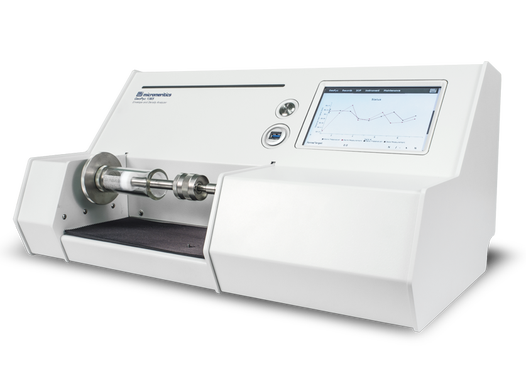
Determines bulk and tapped density using a non‑destructive displacement method. Essential for understanding packing behavior, pellet strength, and form‑factor consistency without the use of mercury.
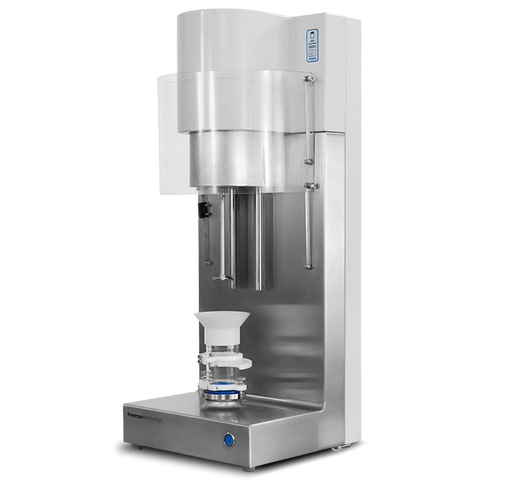
A comprehensive powder flow analyzer measuring flow energy, shear properties, compressibility, permeability, and aeration behavior. Provides deep insight into powder handling, flowability, and process performance across catalyst powders, supports, and formulated blends.
Quantifying active site concentration and performance

Packing behavior, flow performance, and mechanical stability

Meso, macro, and through pore structure for real world catalyst performance

Particle size, shape, flowability, and stability analysis

From bench scale insight to pilot scale confidence

Phase identification and structural evolution

Elemental composition and metal loading
Explore the future of catalysis with experts from industry, academia and standards organizations as they discuss the technologies, market opportunities and innovations driving a more sustainable, lower-carbon future.

