
Quantifying active site concentration and performance

Learn more about Chemisorption & Temperature Programmed Methods

Chemisorption and temperature programmed methods are essential for understanding how catalysts function because they directly quantify active site concentration, strength, and accessibility, the core determinants of catalytic activity and selectivity. These measurements reveal how metals are dispersed, how strongly reactants bind, and how surface chemistry evolves under reaction relevant conditions, enabling researchers to link structural features to real catalytic performance.

By characterizing parameters such as metal dispersion, active metal surface area, acidity/basicity, reduction/oxidation behavior, and reaction pathways, these techniques provide a mechanistic view of how catalysts activate molecules and how those active sites change during use, regeneration, or deactivation. This insight is critical for optimizing formulations, tuning promoters, and ensuring stability across operating cycles.

Speak to a specialist


When you submit this form, we'll use your data to respond to your inquiry. You will also be opting in to our marketing. We’ll use your data to send you relevant updates on products services, promotions, education material and events related to your country, technology of interest and operating industry. You can unsubscribe at any time. For more information please read our Privacy Policy. 

Explore our solutions

Quantifying active site concentration and performance

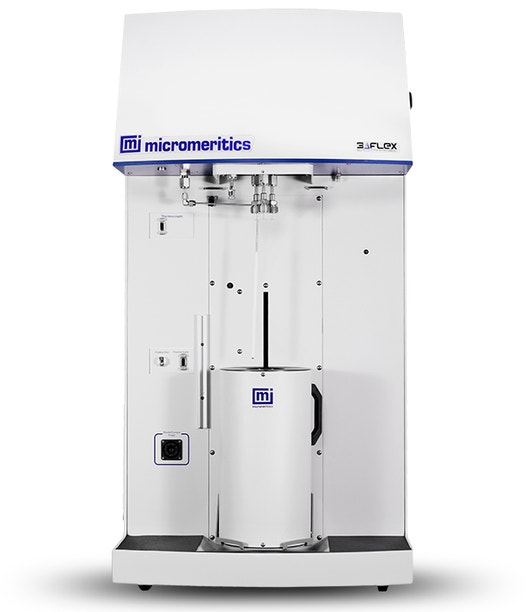
3Flex

High performance gas adsorption

A high‑precision, multi‑port adsorption analyzer capable of both physisorption and chemisorption. Ideal for determining metal dispersion, active surface area, and temperature‑programmed behavior with exceptional sensitivity and flexibility.

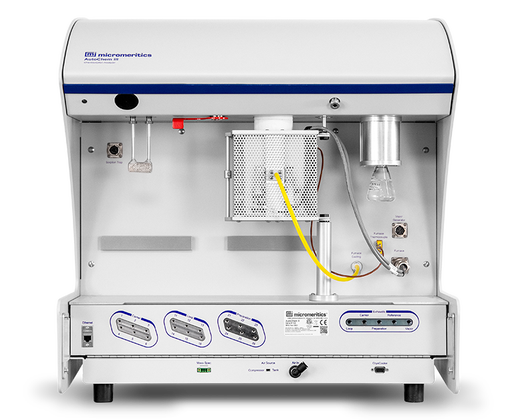
AutoChem III

A catalyst characterization laboratory in a single instrument

A fully automated chemisorption and temperature‑programmed reaction system for TPR, TPO, TPD, and pulse chemisorption. Provides detailed insight into active site strength, reducibility, oxidation behavior, and reaction mechanisms.

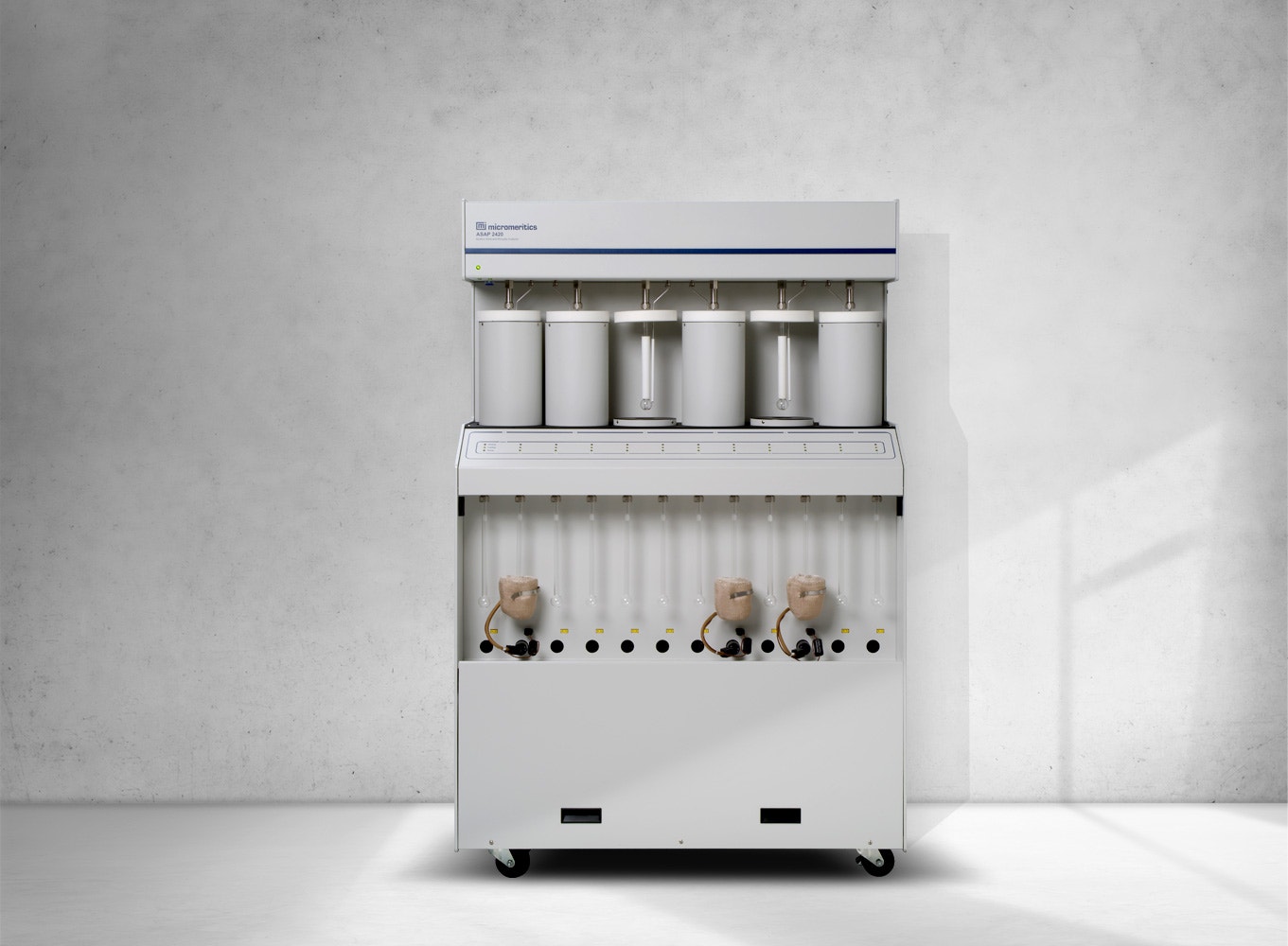
ASAP 2460 & ASAP 2425

High-throughput surface area and gas porosimetry

Designed for laboratories with high sample through-put that demand productivity, the ASAP 2460 and ASAP 2425 ASAP 2425 deliver high-throughput gas adsorption analysis for BET surface area and pore size / volume characterization. The ASAP 2460 is a bench top unit that can economically grow with your needs expanding from two to six stations. The ASAP 2425 is a six station floor standing unit incorporating twelve computer controlled vacuum degas stations. Both technologies allow for on-demand analysis making them the ideal choice for busy QC laboratories and data can be exported automatically upon test completion to the customer's LIMS system.

ChemiSorb Auto

Essential chemisorption analysis

An automated, dedicated chemisorption analyzer designed for routine active site quantification and pulse chemisorption studies. Ideal for labs needing reliable, high‑throughput measurements of metal dispersion and active metal surface area.

ChemiSorb HTP

High throughput static manometric chemisorption analyzer

  • Six independent analysis stations for chemisorption
  • In-situ sample activation with independent temperature and flow control for each reactor
  • Precise for research and development, high throughput for quality control applications

Explore our resources

Application note

The effectiveness of TPR for catalyst characterization

Chemisorption is an analytical technique used to study the surface properties of solid materials, especially in catalysis. Unlike physisorption, which is weak and reversible, chemisorption involves strong, specific bonds (covalent or ionic), often forming an irreversible monolayer. This makes it highly selective and valuable for surface characterization.

Download now

Download now
Insights

Catalysts in action: How TPR unlocks new possibilities

As the climate changes, there is a growing worldwide effort to decarbonize our energy systems.

From converting CO₂ into valuable chemicals to driving hydrogen production, catalysts play a central role in many of the reactions driving the energy transition, determining the efficiency of every reaction.

Designing and improving these catalysts starts with understanding how they behave under real reaction conditions.

Read now

Read now
Product category
Preparing for catalyst production success

Physisorption analyzers

High-performance physisorption analyzers for precise surface area, pore size and volume in powders and particulate materials

Learn more

Learn more

Register for Future Days

Explore the future of catalysis with experts from industry, academia and standards organizations as they discuss the technologies, market opportunities and innovations driving a more sustainable, lower-carbon future.