From size to stability: Why zeta potential is the missing piece?

Rewatch the webinar below and read on to see all of your questions answered.

Thank you to everyone who joined our recent webinar, From Size to Stability: Why Zeta Potential is the Missing Piece.

We always value the opportunity to connect with existing and prospective customers, hear more about the challenges you are facing, and explore how our expertise can help you find the right solutions. Webinars like this give us a brilliant way to share practical knowledge, answer real-world questions, and demonstrate how the right analytical approach can deliver clearer, more confident particle characterisation.

Whether you joined us live or are catching up now, we hope you find the webinar useful and the questions and answers insightful

You can also sign up to our next Zetasizer webinar about the optimisation of QC workflows by clicking this link: Smarter QC Workflows for Particle Size & Stability with the Zetasizer Advance. 


Your webinar questions answered

1. Can you please spotlight on how can we improve the zeta potential of the sample?
Improving zeta potential usually means increasing the magnitude of the charge so particles repel each other more strongly and remain dispersed. This can often be achieved by adjusting pH away from the isoelectric point, reducing ionic strength, or adding suitable ionic dispersants/surfactants. Surface modification strategies such as adsorption of charged polymers can also improve stability. The best approach depends heavily on the chemistry of the particle surface and the final application. 
2. There are parameters that need to be known before the measurement (optical and electric parameters). Since I am working with unusual nanoparticles in stabilized aqueous suspension, I don't think I can just go by data bases. Which information do I need prior to doing DLS and Zeta potential measurements. And how are you normally acquiring these parameters?
For DLS and ELS measurements, critical parameters for the measurements are the viscosity and refractive index of the dispersant. For zeta potential, the dielectric properties of the dispersant also become important. For DLS measurements, to report results that use Mie theory (volume- or number- weighted distributions or MADLS results) the refractive index and absorption coefficient of the particles will also be necessary. For unusual nanoparticles, refractive index values are often estimated from literature, measured experimentally, or approximated using materials with similar chemistry.
3. The zeta potential has to be +/-30 mv to inhibit coagulation. But in ionizable lipids we need to get near 0 mV for systemic circulation? After dialysis, the potential should be ideally near 0 mV. How to avoid coagulation in this case?
This is a very important point in lipid nanoparticle formulation. Highly charged systems are electrostatically stable, but for in vivo delivery ionizable systems are often formulated near-neutral to reduce toxicity and improve circulation time. Stability is therefore frequently maintained using steric stabilization rather than purely electrostatic stabilization. PEGylated lipids are commonly used to create a steric barrier that prevents aggregation even when the zeta potential is close to zero.
4. Does temperature have any influence on zeta potential?
Yes. Temperature can significantly influence zeta potential measurements because it changes viscosity, ion mobility, dielectric constant and surface chemistry. Importantly in some formulations, temperature may also change adsorption behavior or particle conformation. Measuring across a temperature range can therefore provide useful insight into real-world storage stability.
5. My sample has a high ion concentration, and direct contact with the electrode plate of the zeta potential cells can cause degradation of the metal. To prevent this, I use a barrier method, where a diluted NaCl solution separates the sample from the electrode plate. However, the zeta potential measured directly (~ –20 mV) differs significantly from the value obtained using the barrier method (~ +5 mV). How can I determine which value accurately reflects the sample’s true zeta potential?

The diffusion barrier method is recommended for high ionic strength samples to maintain sample integrity, but it is critical to use the same dispersant in the barrier as in the sample. If the barrier solution has a lower ionic strength (e.g. diluted NaCl), this can significantly change the electrochemical environment and lead to a zeta potential that does not reflect the true system.
The discrepancy you observe likely arises from this difference in ionic conditions when using the diffusion barrier. However, it is also possible that when measuring without the barrier, the sample is being altered during the measurement (e.g. agglomeration), which can similarly affect the result.

Electrode degradation can occur even with the diffusion barrier, but this does not necessarily invalidate the data - cell performance should instead be verified using a zeta potential transfer standard (ZTS1240). 

To determine the most representative value, ensure dispersant consistency, check sample stability with DLS size measurements before and after zeta potential measurements, and verify the cell.

Please see the following application note on the diffusion barrier method: www.malvernpanalytical.com/en/learn/knowledge-center/application-notes/an120906diffusionbarriertechnique

6. How much different is the function of the high concentration zeta potential cell?
The high concentration zeta potential cell has a shorter path length than the standard folded capillary cell, allowing measurements to be made at higher sample concentrations.

However, the upper concentration limit still depends on factors such as particle size, polydispersity, and optical properties. If a sample is too turbid, insufficient scattered light may reach the forward detector (used in zeta potential measurements to minimize Brownian motion effects). As a result, even when using the high concentration cell, some samples may still require dilution to obtain reliable data. 

Further guidance on concentration limits for zeta potential measurements is available in this application note (although written for the Zetasizer Nano, the principles also apply to the Zetasizer Advance range):
www.malvernpanalytical.com/en/learn/knowledge-center/application-notes/an160707-concentration-limits-zeta-potential-zetasizer-nano 

7. I wanted to ask if the zeta potential measurement can be repeated for the same sample or are the properties of an already measured sample affected?
In most cases, zeta potential measurements can be repeated on the same sample without major issues. However, repeated measurements may slightly alter sensitive samples due to electric field exposure, Joule heating, electrode polarization, particularly for fragile proteins, emulsions or biological formulations. If repeatability changes over time, that itself can be useful information regarding sample stability. 

Repeat measurements can easily be programmed in ZS Xplorer and the results overlaid to assess repeatability. To minimize issues with the sample being affected by repeat measurements, it is recommended that a pause of 60 seconds between each measurement is used. For some samples, the use of the diffusion barrier method is recommended to ensure sample integrity is maintained. 

Further information on the diffusion barrier method can be found here www.malvernpanalytical.com/en/learn/knowledge-center/insights/diffusion-barrier-method-the-practical-details
www.malvernpanalytical.com/en/learn/knowledge-center/insights/measuring-zeta-potential-in-saturated-ionic-strengths

8. If working with a single protein molecule that is small enough to form a stable colloidal dispersion and exhibits excellent hydrophilic interactions in aqueous systems. Why is it that the measured zeta potential is always between +/–10 mV, even though the solution remains clearly stable throughout its shelf life? Steric repulsion would only account for this in a system with multiple types of particles, some of which are large wouldn’t it?
Stable protein systems do not always require high absolute zeta potential values. Many proteins are stabilized through hydration layers, steric interactions or conformational effects rather than purely electrostatic repulsion. This is particularly common for small soluble biomolecules where colloidal stability is dominated by solvation rather than particle-particle repulsion Additionally, protein measurements are often carried out in high ionic strength buffers, such as PBS. This tends to result in lower zeta potential values. This is because the increased ionic strength compresses the electrical double layer around the particles, reducing the measured surface charge.
9. When I setup an SOP, what kinds of controls should I consider? Is a single zeta potential standard sufficient or should I always run two different standards (zeta potentials)? What are suitable acceptance criteria to evaluate of the sample dilution is appropriate?
When setting up an SOP, it is recommended to verify instrument performance using the zeta potential transfer standard, ZTS1240. This standard has been designed to provide a reliable means of checking and documenting the performance of your zeta capable Zetasizer. ZTS1240 is supplied in 10 mL ready-to-use syringes and as such does not require any sample preparation prior to use.

Electrophoretic light scattering (ELS) is an absolute technique, so if the system measures a suitable standard correctly, this provides strong confidence that the instrument is performing as expected. For routine verification, a single well-characterized standard is typically sufficient, although additional standards may be used if required by internal validation protocols.

In addition to the final zeta potential value, good SOP practice is to monitor parameters such as count rate, conductivity, temperature stability and repeatability in addition to the final zeta potential value.

For assessing sample dilution, results are generally considered acceptable when repeat measurements are stable and dilution does not introduce unexpected shifts in zeta potential.

For more information on the zeta transfer standard and method development please see the following resources:
www.malvernpanalytical.com/en/products/category/calibration-standards/particlesizeanalysis/zetatransferstandard  
www.malvernpanalytical.com/en/learn/knowledge-center/technical-notes/tn220915-zeta-potential-method-development

10. If I analyze the size of Phyto sintered nanometallic particles of the Ag-Au NPs mixture type, what value of material RI and material Absorption should I use?
For Ag-Au nanoparticle mixtures, the refractive index is often approximated using literature values for gold or silver depending on the dominant composition. Because metallic nanoparticles are strongly absorbing, the absorption parameter is also important. If exact optical constants are unavailable, comparative studies using estimated values are often acceptable for DLS sizing because zeta potential measurements themselves are not dependent on RI input. However, even in DLS measurements the optical properties of the particles are only needed to convert the intensity to volume and number-based data or for MADLS and concentration measurements. They are not needed if the z-average, polydispersity index or the intensity-based data are of interest
11. If the amplitude of the electric potential at the slip plane, which represents the zeta potential, reaches values between ±10 and 30 mV (nascent instability), what does this instability represent and what is the origin of this phenomenon?
Values between ±10 and ±30 mV represent systems with only moderate electrostatic stabilization. In this region, van der Waals attraction may begin competing with electrostatic repulsion, increasing the probability of aggregation or flocculation over time. The origin of this instability is usually insufficient surface charge density or compression of the electrical double layer due to ionic strength.
12. It may be an obvious question but for instance in the case of the samples where the particle size and zeta potential is measured using different dispersant with different pH. How can we assure that measurement is correct?
The most important point is that the dispersant used during measurement should reflect the real formulation or application environment. If pH or dispersant chemistry changes, the zeta potential may change because the particle surface chemistry and double layer structure are changing. In other words, differing results are not necessarily incorrect, but they may reflect genuine formulation sensitivity to changes in sample conditions.
13. Can you still use zeta potential as a measurement in a non-water based ink/non-polar based ink?
Yes. Zeta potential measurements can absolutely be performed in non-aqueous and non-polar systems, although measurement sensitivity is often lower because these solvents have lower dielectric constants and conductivity. Appropriate non-aqueous cells are required such as the dip cell and careful dispersant selection are important for obtaining reliable data. Notably, interpretation of zeta values in non-aqueous environments is challenging as the mechanisms of charging in non-aqueous environments is not yet well understood.
14. My company has purchased a high concentration zeta potential cell, but we are having difficulty getting any result at all measuring a 4% solids dispersion. Any ideas how to help measure this sample?
The upper concentration limit for zeta potential measurements is sample dependent and will be determined by size, optical properties and polydispersity. At 4% solids, the system may still be too concentrated to allow sufficient scattered light to be detected at a forward angle. The upper concentration limit of zeta potential depends on the particle type and conductivity. It is often helpful to first confirm that the conductivity is within a measurable range and that no sedimentation occurs during acquisition. Even with high-concentration cells, some ceramic or pigment systems still require partial dilution to obtain stable phase plots and reproducible electrophoretic mobility. 

Further information on the concentration limits for zeta potential measurements is discussed in a technical note which can be downloaded here:
www.malvernpanalytical.com/en/learn/knowledge-center/application-notes/an160707-concentration-limits-zeta-potential-zetasizer-nano.

This relates to the Zetasizer Nano, but is also applicable to the Zetasizer Advance product range.

15. How efficient are the size and zetapotential measurements for a phase separation droplets?
Zeta potential can provide useful information on the electrostatic stability of phase-separated droplets, but it should not be interpreted in isolation. Droplet density differences, viscosity, interfacial tension and surfactant chemistry also strongly influence separation behavior. Combining droplet size analysis with zeta potential generally gives much more meaningful insight into emulsion stability.
16. If I am dealing with products that are stored in an uncontrolled climate (temperature changes during the different seasons), should I and can I measure the Zeta potential at different temperatures using the Zetasizer?
Yes, and in fact this is highly recommended for products exposed to seasonal or uncontrolled storage temperatures. Measuring zeta potential at different temperatures can reveal whether the formulation becomes more aggregation-prone under thermal stress. The Zetasizer systems support temperature-controlled measurements specifically for this type of study. The temperature range of the Zetasizer is 0-120 C degrees.
17. We are working to build more stable Defoamer/Antifoam products. What is the recommended dispersant we should be using with silicone based products in our Zeta testing?
For silicone-based defoamers and antifoams, the ideal dispersant depends strongly on the emulsion chemistry and carrier system. It is generally best to measure the products in their actual formulation medium or in a closely representative system. Non-ionic surfactants are commonly used with silicones, but excessive surfactant can also destabilize the defoaming mechanism itself.
18. Are there practical thresholds (maybe in mV ranges) where zeta potential becomes unreliable or decouples from stability under conditions like high ionic strength, mixed solvent systems, or strongly adsorbing surfactants? Or we should minimize all possible interactions?
Under high ionic strength or mixed solvent conditions, zeta potential may no longer correlate with stability because electrostatic interactions are no longer the dominant stabilization mechanism. Steric stabilization, viscosity effects and solvent structure can become more important. In highly conductive systems, electrophoretic mobility measurements may also become more challenging. However, there are no threshold values as this is highly system dependent.
19. For nano emulsions, is it better to measure zeta potential using 10mM NaCl solution or ultrapure water?
The zeta potential of sample is as dependent upon the chemistry of the disperse phase as it is on the particle itself. Therefore, the medium in which the measurements are performed is critical in determining the final zeta potential value. The zeta potential value of a sample measured in ultrapure water and 10mM NaCl will be different. Therefore, the questions that should be considered are in what medium does a user want to know the zeta potential value? What is the end application of the sample? Where is the product going to be used? The answer to these questions will determine the dispersant for the measurements. We recommend that the nanoemulsions are measured in the same aqueous phase that they are in or will be in the final application. 

In general, measurements in pure or DI water are not recommended. During a zeta potential measurement, a stable and homogenous field is required. This is difficult to achieve when the conductivity is very low as would be the case in DI water. A low concentration of electrolyte (e.g.0.1 mM NaCl) is often preferred as would stabilize the field and give more repeatable results.

20. If the dispersant is pigmented (ink, cell-culture media) is it possible to obtain reliable size and Zeta potential measurements?
Yes, it is possible, however, pigmented systems and cell-culture media can be challenging because they may strongly scatter or absorb light or contain high salt concentrations. It is recommended that the scattering intensity of medium is measured and compared to the sample being measured. For successful measurements, the particles need to produce excess scattering compared to the dispersant. If there is low excess scattering, the particles would need to be prepared in a medium that mimics that of the original in terms of pH, ionic and strength.
21. Do you have any tips on how to measure magnetic particles?
Magnetic particles are often difficult because they may sediment rapidly due to their density and may interact with external fields. Gentle agitation immediately before measurement and short acquisition times are usually helpful.
22. We are working with peptide active ingredients for drug development, where avoiding aggregation is crucial. Particles of starting aggregation may be smaller than 10 nm, so the NTA is not really optimal to combine with Zeta. We do DLS and SLS together with Zeta as well as optical checking of solutions. This still doesn`t seem to give a sufficient picture of the situation. What would you suggest to measure that may give similar information to NTA?
Yes. DLS and zeta potential are often extremely useful for monitoring early-stage peptide aggregation, particularly below the NTA detection range. Even small changes in hydrodynamic size, PDI or zeta potential can indicate the onset of self-association before visible aggregation occurs. 

Generally, DLS is more sensitive than NTA for detecting aggregates. This is because DLS is an intensity-based technique, where larger particles scatter significantly more light. However, to obtain results in a number-based format like NTA, the intensity distribution from DLS can be converted to a number distribution by inputting the correct optical properties (default values for proteins are available in the software). The relative peak areas can then be used to estimate the extent of aggregation. Additionally, if aggregates are below 500 nm, Multi-Angle Dynamic Light Scattering (MADLS) can be used to determine their concentration.

23. Measuring zeta potential, sometimes the distribution graph is not shown. It is due to the high conductivity? is the measured value valid?
Yes, this is due to the conductivity of the sample. In the Zetasizer Advance, when Auto mode is selected for zeta potential measurements, the instrument first measures the sample conductivity and then determines whether to perform a Monomodal measurement (providing only an average zeta potential value) or a General-Purpose measurement (providing an average zeta potential and distribution). If the conductivity exceeds 5 mS/cm, the system automatically performs a Monomodal measurement. This approach helps minimize effects such as Joule heating, electrode polarization, and sample degradation and the values obtained should be valid. 

We also offer a range of free training courses throughout the year, delivered both face-to-face at our offices and remotely. Attending one of these sessions may provide valuable additional guidance on this topic, including practical advice and best practices.

Further details and upcoming course dates can be found here: www.malvernpanalytical.com/en/learn/events-and-training/

24. Is there a salt concentration range that allows zeta potential measurements?
There is no single universal salt concentration limit, because it depends on the particle chemistry and dispersant. However, as conductivity increases, double-layer compression and Joule heating can reduce measurement quality. 

During a zeta potential measurement on the Zetasizer Advance, the software will optimize the measurement conditions according to the conductivity to ensure the highest quality of data collection. Measurements are generally easiest in low-to-moderate ionic strength systems. In the Zetasizer Advance the maximum sample conductivity we can measure is 260 mS/cm.

25. Two questions... What is the difference between dispersion and flocculation? And, how is PH and flocculation correlated?
Dispersion refers to particles remaining individually distributed throughout a medium, while flocculation refers to particles forming loose clusters due to attractive interactions. pH influences flocculation because it changes surface charge and therefore alters the strength of the electrostatic repulsion between particles.
26. Particle size measurement in polydisperse solutions leads to measurement error. Is zeta potential also sensitive to this polydispersity?
If the size distribution consists of the same type of particles, the zeta potential values obtained will not be influenced by the size. This is because the number of charges on the particle surface driving the particle forward (as it undergoes electrophoresis) and the viscous drag on the particle (preventing it moving as it undergoes electrophoresis), are both proportional to the surface area. As the average particle size decreases, the viscous drag reduces proportionally. These changes cancel out any size dependence of the measurement. However, if there are different particle types in a sample, it may that the zeta potential value will be influenced.
27. Could you give us some information about the preparation of the samples depending on the nature of the particles measured? Does it have any optimization? If yes, how can we monitor it?
Sample preparation is extremely important and often highly application specific. Parameters such as concentration, dispersant composition, pH, ionic strength, sonication and filtration can all influence results. Optimization is typically monitored through repeatability, count rate stability and consistency across dilution series. 

Further information on zeta potential method development can be found in the technical note located at the following link:
www.malvernpanalytical.com/en/learn/knowledge-center/technical-notes/tn220915-zeta-potential-method-development

28. So if samples are very negative (-40), is there any chance of aggregation? We have been chalking up increase in particle size as due to aggregation but it would seem that would not be correct?
Yes. Even strongly negative systems can still aggregate under certain conditions. High ionic strength, bridging interactions, protein adsorption or depletion forces may overcome electrostatic repulsion despite a zeta potential of –40 mV. So increasing particle size can still genuinely indicate aggregation.
29. Can zeta potential indicate the possibility of creaming in emulsion products?
Yes, indirectly. Zeta potential can indicate whether droplets are likely to repel one another and resist coalescence, but creaming itself is primarily driven by density differences and droplet size. A stable zeta potential does not necessarily prevent gravitational separation.
30. I dissolve proteins (100 kDa) in acid and sometimes observe the solution aggregate. Could zeta potential measurements be a suitable method to predict a protein based system's tendency to coagulate? Can this method be applied under acidic conditions?
Yes. Zeta potential can be very useful for studying protein aggregation tendency because proteins often aggregate near their isoelectric point where electrostatic repulsion is minimized. Monitoring changes in zeta potential across pH or formulation conditions can help identify instability regions.
31. Will the fluorescence (from particles with a fluorescent dye) in the sample influence the zeta potential measurement?
In most cases fluorescence does not strongly affect zeta potential measurements because the technique relies on scattered light frequency shifts rather than fluorescence intensity itself. However, highly fluorescent or strongly absorbing samples can sometimes reduce signal quality and it can impact particle size measurements using Dynamic Light Scattering (DLS).
32. I am working on (MC3) ionizable LNPs and used PBS (pH=7.4) as the disperse medium after dialysis using 10kDa centrifugal filter. The zeta potential calculated was -114mV which is unexpected. What would be the reason? I used NTA instead of DLS?
Sample preparation is extremely important and often highly application-specific. Parameters such as concentration, dispersant composition, pH, ionic strength, sonication and filtration can all influence results. Optimization is typically monitored through repeatability, count rate stability and consistency across dilution series.
33. How can we reduce instability of cloudy particles such as dairy products during measurements rather than simply diluting?
For cloudy systems such as dairy products, instability during measurement is often caused by sedimentation or multiple scattering. Gentle dilution with formulation-matched media, careful temperature control and minimizing measurement duration can help preserve the native structure during analysis. Alternatively, when using a backscatter angle, you can ensure the instrument measures at the optimal position by adjusting the advanced settings (available on the Zetasizer Advance Pro and Ultra). For instruments limited to 90° detection (such as the Zetasizer Lab), you may consider using a low-volume disposable sizing cell. Its shorter path length allows measurements to be performed at higher concentrations.
34. How prone is the folded cell capillary to effects of sedimentation?
The folded capillary cell is reasonably robust against sedimentation for nanoscale particles, but larger or denser materials can settle during long acquisitions. If sedimentation is suspected gently remixing, before measurement or density matching the dispersant to the material is often helpful. Zeta potential measurements are not sensitive to vertical movement e.g. particle sedimentation. Measurements can be made if there are particles suspended in the detection volume of the cell.
35. I’ve got zeta potential values close to zero on nonionic micelle systems, is that right?
Yes, this is possible for non-ionic micelle systems because steric stabilization rather than electrostatic stabilization dominates their behavior. A near-zero zeta potential therefore does not necessarily imply instability.
36. What the dispersant was used for the impact of cholesterol ratio on liposome zeta potential?
The presentation example used a buffered saline system containing 1mM NaCl + 0.1mM MOPS buffer. The purpose was to study how cholesterol concentration influenced the liposome surface interactions within a controlled ionic environments.
37. I work with bilosomes which have a charge around -40. Any insights on stability for these kinds of samples please?
A zeta potential around –40 mV would generally suggest reasonably strong electrostatic stability for bilosomes. However, long-term stability will still depend on bile salt composition, ionic strength, storage temperature and possible fusion or leakage mechanisms.
38. I work with laponite suspension. Laponite particles are disc-shaped and highly anisotropic. How should DLS particle-size measurements be interpreted during aging and aggregation, and what metrics would you recommend reporting to best correlate microstructural evolution with rheological behavior?
For highly anisotropic systems like laponite, DLS should be interpreted as a hydrodynamic size rather than a direct physical diameter. Often in non-spherical systems we may see two peaks, one from translational diffusion which is what we measure, and rotational diffusion can form an artificial peak. 

In the Zetasizer Advance Pro and Ultra models, you have the option to do measurements with the horizontal and vertical polarizers to distinguish whether the secondary peak is an actual peak or artificial due to the particles being non spherical. Also, during aging and aggregation, apparent size increases may reflect network formation, orientation effects or evolving gel structures rather than simple particle growth. 

Please see the following resources for more information on depolarized DLS:
www.malvernpanalytical.com/en/learn/knowledge-center/application-notes/an180516goldnanoparticleszetasizerultra
https://www.nature.com/articles/s41598-020-78872-4 

39. Is 1200nm sufficient size to be affected by gravity more than charge in terms of stability? Charge is around -20 to -40.
At around 1200 nm, gravitational settling can absolutely begin competing strongly with electrostatic stabilization, especially if the particles are dense. Even with zeta potentials between –20 and –40 mV, sedimentation may still occur simply due to particle mass especially if the particles have a high density compared to the dispersing phase.
40. You have mentioned drag. Does that mean that the nanoparticle shape would influence the measured zeta potential? Doesn't that count as a measurement artifact?
Yes - particle shape can influence measured electrophoretic mobility because drag forces depend on geometry. However, this is not necessarily an artefact; it reflects the real hydrodynamic behavior of the particles in solution. Interpretation simply becomes more complex for non-spherical systems.
The question of what influence does the shape of the particle has on the measured zeta potential is difficult to answer. A zeta potential measurement does not measure zeta potential directly; it measures frequency shifts of scattered light which allows determination of the electrophoretic mobility which is converted into zeta potential. Therefore, the mobility of the particles as they undergo electrophoresis should be considered. It is probable that the shape of the particle being measured will influence its mobility. However, the interpretation of shape effects on the zeta potential value obtained is not easy.
41. I am doing pH titrations of metal hydroxides. The zeta potential is lower when going from Basic to Acid. When acidifying an going back to basic my line higher. What causes this?
This hysteresis behavior often indicates irreversible surface chemistry changes during titration. Adsorption/desorption effects, dissolution-reprecipitation phenomena or slow equilibration of hydroxide surfaces can all produce different zeta potential curves during acidification versus basification. We recommend first titrating one sample towards an acidic pH and then using a fresh sample to titrate towards a basic pH, or vice versa.
42. I’ve got zeta potential values close to zero on nonionic micelle systems, is that right?
That is actually quite common for non-ionic micelle systems because steric stabilization rather than electrostatic stabilization dominates their behaviour. A near-zero zeta potential therefore does not necessarily imply instability.
43. If I want to stabilize a particle, should I go for a nonionic dispersant like PEG or ionic one (cationic or anionic)? Which one is more efficient?
Neither approach is universally superior. Ionic dispersants generally provide stronger electrostatic stabilization, while non-ionic polymers such as PEG provide steric stabilization that can remain effective even in high ionic strength systems. The optimal choice depends on the chemistry and intended application.
44. Can a sample diluted in DPBS-/- affect Zeta potential?
Yes. DPBS contains salts that can compress the electrical double layer and alter measured zeta potential values. Highly conductive buffers can also make electrophoretic measurements technically more difficult. Using the diffusion barrier method can help with such cases.
45. I am working with system with colloid concentrations up to 10 wt% (ceramic nanoparticles). Is it possible to measure the zeta potential in these cases, or would I need to reduce the concentration?
Yes, it is possible, particularly using high-concentration zeta potential cells. Successful measurements will depend on the intensity of scattered light being detected at the forward angle. However, at 10 wt% ceramic nanoparticle loading, turbidity of the sample may mean that insufficient scattering may be detected that the sample may still require dilution before it can be successfully measured. 

Further information on concentration limits for zeta potential measurements can be found at the following link. Even though this technical note is written for Zetasizer Nano, it is also valid for Zetasizer Advance.
www.malvernpanalytical.com/en/learn/knowledge-center/application-notes/an160707-concentration-limits-zeta-potential-zetasizer-nano

46. Does the neutralization of zeta potential promote the agglomeration and settling of impurities during water treatment operations?
Yes. In water treatment, coagulation is intentionally promoted by neutralizing the particle surface charge. As the zeta potential approaches zero, electrostatic repulsion decreases and particles can aggregate into larger flocs that can be filtered out.
47. We are working with fully water-soluble polymers (10 - 20 nm), so we have solution, not dispersion. Is it possible to measure the ZP of our fully soluble material with a substituent cation in aqueous solutions?  Does Zetasizer give me the correct data in this case?
Yes. Fully soluble polymers can still exhibit measurable electrophoretic mobility if they contain ionizable groups or charged substituents. In these cases, the measured zeta potential reflects the solvated polymer species rather than discrete solid particles.
48. How does the Zeta potential/surface charge translate to the surface charge of the dry material?
A dry material does not have a zeta potential. It will only develop a zeta potential when it is dispersed in a liquid and the chemistry of that liquid e.g., pH, ionic strength, will influence the zeta potential value obtained. Therefore, the zeta potential measured in dispersion does not directly translate to the dry-state surface charge because the electrical double layer only exists in a liquid environment.
49. What is the maximum dilution recommended for a Zetasizer Ultra, and how can I tell when my sample is too diluted for reliable results? In my case, at 1:300 the particle size and PDI were good but the zeta potential was close to the stability limit; at 1:20, the particle size increased slightly and the zeta potential improved. How do I know if the dilution I use is adequate?
There is no universal maximum dilution because it depends on particle scattering intensity and concentration. If the sample becomes too dilute, count rates become unstable and repeatability worsens. If particle size remains stable but zeta potential changes dramatically at high dilution, the dilution itself may be altering the colloidal environment.

The following link is for a technical note which discusses the concentration limits for zeta potential measurements. Even though this was written for Zetasizer Nano, it is still appropriate for the Zetasizer Advance product range. www.malvernpanalytical.com/en/learn/knowledge-center/application-notes/an160707-concentration-limits-zeta-potential-zetasizer-nano

50. Since the dispersant can affect the Zeta potential of my sample, how can I know determine which dispersant I should choose?
The best dispersant is usually one that closely represents the real application environment while still allowing stable measurement conditions. In practice, this often means screening multiple dispersants while monitoring repeatability, conductivity and aggregation behavior.
51. Can the Zetasizer nano be used measure zeta potential of the enzyme in dispersion? I am working with dispersions of lipase enzymes that are immobilized onto a porous carrier.  Charge of the enzyme and carrier have a profound influence on immobilization, reactivity as a catalyst, and specificity in reactions which are critical parameters for their use?
Yes, depending on which Zetasizer model you have. The models Z, ZS and ZS90 can perform zeta potential measurements. Generally, zeta potential measurements can be applied to enzyme dispersions and immobilized enzyme systems. In your case, the measured value may reflect contributions from both the enzyme surface and the porous carrier, so interpretation should consider the composite structure. Ensure you are using the diffusion barrier method when loading the sample to the cell.

Please see the following link for information on the diffusion barrier method www.malvernpanalytical.com/en/learn/knowledge-center/insights/diffusion-barrier-method-the-practical-details

52. I am working with bitumen emulsions, where particles can reach diameters of up to 50 µm, sometimes even more. Can the zeta-potential analysis be applied here?
For particles as large as 50 µm, traditional zeta potential measurements become increasingly difficult because sedimentation dominates and electrophoretic assumptions begin to break down. Measurements may still be possible on the finer fraction, but the system is approaching the upper practical size limit for many zeta potential techniques. Density matching the buffer to the sample in some cases can help with sedimentation.
53. Is this Malvern device automated or the process is manual? Every sample needs to be measured by a technician??
If you have a workflow that requires automation we highly recommend purchasing a Sample Assistant alongside the Zetasizer allowing for complete automation of sample loading and measurement including data acquisition and analysis through our ZXplorer software. However, sample preparation, method optimization and interpretation still require operator expertise, particularly for complex or unstable formulations.
54. Is there a way or cells to measure the zeta potential for small samples (100 microliters)?
Yes. Users can use our patented Diffusion Barrier Method technique to introduce small volumes (down to 20 μL) into a folded capillary cell that already contains the buffer. Further information on this technique can be found in this blog: www.malvernpanalytical.com/en/learn/knowledge-center/insights/diffusion-barrier-method-the-practical-details  

Alternatively, users could also opt for the high concentration zeta potential cell kit that uses only 150 μL of sample and can measure at concentrations up to 40 wt% (sample dependent). Please use the following link to access the high concentration produce page: www.malvernpanalytical.com/en/products/product-range/zetasizer-range/zetasizer-advance-range/accessories/high-concentration-zeta-potential-cell-kit  

Careful filling technique becomes increasingly important at these low volumes to avoid introducing bubbles or inconsistent electrode contact.

55. Will the dispersant not affect the material you are analyzing?
Yes, the dispersant directly influences the electrical double layer around the particles, so zeta potential should always be interpreted within the context of the specific medium being studied.
56. Zeta Potential absolute value is depending on the media and the protocol, isn't it? Then values can be misleading?
Zeta potential values are strongly dependent on pH, ionic strength, dispersant composition and measurement protocol. That is why zeta potential values should never be interpreted in isolation without considering the surrounding formulation conditions.
57. Shelf life test are also required on emulsion, do you have an equipment or a technique to suggest (centrifugation) to characterize this since it's not possible with zeta potential measurements?
Zeta potential is useful for understanding electrostatic stability, but it does not directly predict all emulsion failure mechanisms such as creaming, coalescence, Ostwald ripening or phase inversion. Accelerated stability techniques such as analytical centrifugation are extremely valuable for emulsion shelf-life studies because they speed up instability mechanisms and allow comparative formulation screening. Combining particle size, zeta potential and accelerated separation testing normally provides the strongest stability assessment.
58. How is a product's shelf life determined from its zeta potential value (expressed in mV)? While a higher absolute zeta potential is generally associated with greater colloidal stability and potentially longer shelf life, how is this translated into a specific shelf-life claim, such as 6 months or 2 years? What data, models, or stability criteria are used to establish such estimates?
Zeta potential alone cannot directly determine shelf life in terms of weeks or months. Instead, it provides an indication of aggregation tendency and colloidal stability risk. Real shelf-life prediction still requires long-term or accelerated stability studies combined with particle sizing, visual inspection and application testing.
59. For the pharmaceutical industry, will the use of zeta potential guarantee the shelf life and stability of creams, suspensions and targeted delivery nanoparticles of drugs?
No single measurement can guarantee pharmaceutical shelf life. Zeta potential is extremely valuable for understanding colloidal stability and aggregation risk, but full stability assessment still requires chemical stability testing, microbiology, rheology and long-term storage studies.

Related Zetasizer (DLS) resources

Whitepaper

Improved component resolution with Multi-Angle DLS (MADLS)

Multi-angle Dynamic Light Scattering (MADLS) offers improvements in particle sizing resolution, sensitivity and accuracy compared to traditional single angle Dynamic ...
Improved component resolution with Multi-Angle DLS (MADLS)

Gain deeper insight into your particle measurements

Explore Zetasizer advance to unlock the hidden insights of zeta potential and gain a full understanding of your samples
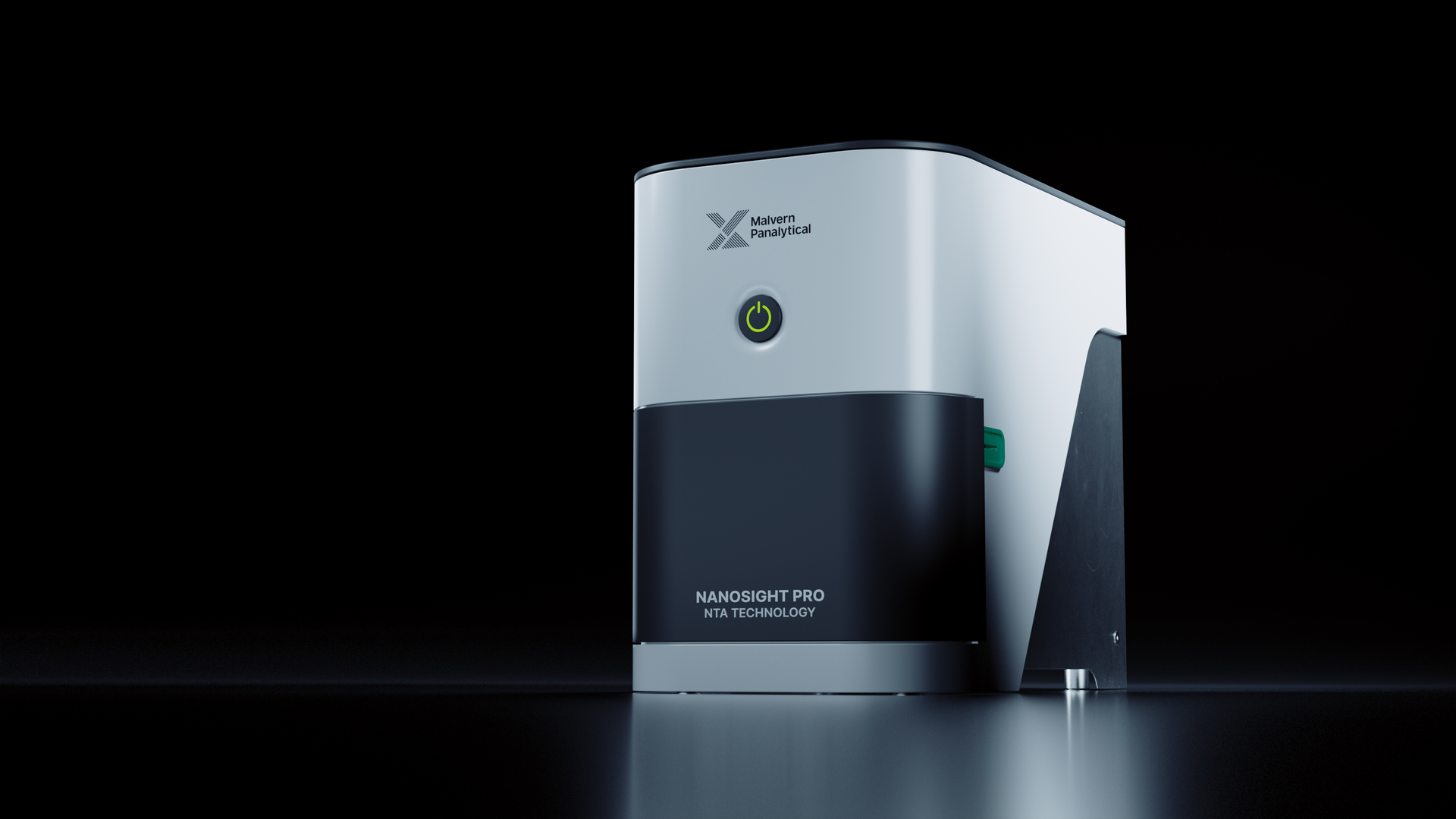
Zetasizer Advance Range

Still have questions?

Book a demo or get expert advice.

Whether you're optimizing formulations, ensuring data integrity, or supporting generic development, the Zetasizer Advance Range (Ultra, Pro and Lab) is designed to meet the demands of all industry applications including regulated pharmaceutical environments. Our specialists are ready to understand your specific zeta potential challenges - be it in R&D, QC, or manufacturing - and show you how our technology can support your success.

Fill out the form below, and a member of our team will reach out to discuss how we can help you achieve more accurate, compliant, and efficient particle sizing.


Would you like to speak to a specialist?

When you submit this form, we'll use your data to respond to your inquiry. You will also be opting in to our marketing. We’ll use your data to send you relevant updates on products services, promotions, education material and events related to your country, technology of interest and operating industry. You can unsubscribe at any time. For more information please read our Privacy Policy.