Accurate trace analysis of nickel in pharmaceutical compounds with Epsilon 4 XRF
Find out how XRF can detect elemental impurities in active pharmaceutical ingredients (APIs).


Pharmaceutical elemental analysis up to 50x faster than ICP
Energy-dispersive X-ray fluorescence (EDXRF) cuts lifetime costs in half, without the hazardous chemicals or compliance headaches common to traditional technologies.

XRF is transforming elemental analysis in the pharmaceutical industry, offering a faster, safer, and more cost-effective alternative to traditional techniques. Unlike inductively coupled plasma analysis (ICP), which requires hazardous chemicals and costly consumables, XRF delivers rapid results with minimal sample prep, helping companies streamline workflows and reduce costs.

Time is a critical factor in pharmaceutical manufacturing. Every minute spent waiting for analytical results delays getting medicine to the patients who need it.
Commonly used ICP spectroscopy techniques like ICP-MS or ICP-OES require extensive sample digestion, which often means waiting days or more before your results are available. Additionally, ICP requires highly skilled operators – but specialized labor is in short supply. Combined, these factors create bottlenecks in your workflow.
Revontium and Epsilon deliver safer, cheaper XRF elemental analysis right on your bench, with results in under an hour.

ICP systems need a constant supply of argon gas and acids to dissolve samples, generating high recurring operational costs and destroying valuable sample. These acids also corrode parts of the instrument (like the torches and tubing), meaning these components must be regularly replaced – further adding to the cost of ownership.
ICP systems also need dedicated lab space and infrastructure. Plus, they require specialized personnel who are trained to handle the pressurized gases and extreme temperatures involved in ICP analysis, increasing operational expenses.

Ensuring the safety of your operators is non-negotiable. ICP techniques expose users to hazardous chemicals (such as hydrofluoric acid), introducing serious health & safety risks. Plus, after use, these chemicals become toxic waste, adding to your environmental footprint and regulatory compliance burden.
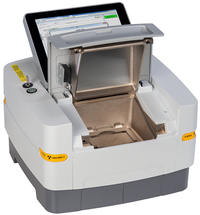
| Overview | Get started |
| Sensitivity | ✔- - |
| Sample preparation time | 30 mins (approx.) |
| Measurement time per sample | 10 minutes to analyze 5 elements sd |
| Sample changer capacity | 1, no spinner |
| Elemental range | Na-Am |
| Catalyst residue detection according to ICH Q3D | ✔- - |
| Detection of toxic elements, e.g. ‘Big 4’: Cd, Pb, As, Hg according to ICH Q3D guideline | - |
| Detect wear elements (Cr, Mn, V, Ni, Cu) | ✔- - |
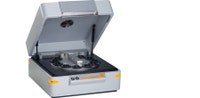
| Overview | Efficient screening |
| Sensitivity | ✔ ✔- |
| Sample preparation time | 30 mins (approx.) |
| Measurement time per sample | 45 minutes to analyze 20 elements according to ICH-Q3D |
| Sample changer capacity | 10, with spinner |
| Elemental range | F-Am |
| Catalyst residue detection according to ICH Q3D | ✔ ✔- |
| Detection of toxic elements, e.g. ‘Big 4’: Cd, Pb, As, Hg according to ICH Q3D guideline | ✔- (3g daily dose) |
| Detect wear elements (Cr, Mn, V, Ni, Cu) | ✔ ✔- |
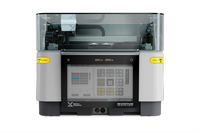
| Overview | Automated for higher throughput |
| Sensitivity | ✔ ✔ ✔ |
| Sample preparation time | 30 mins (approx.) |
| Measurement time per sample | 30 minutes to analyze 20 elements according to ICH-Q3D |
| Sample changer capacity | 32, with spinner |
| Elemental range | Na-Am |
| Catalyst residue detection according to ICH Q3D | ✔ ✔ ✔ |
| Detection of toxic elements, e.g. ‘Big 4’: Cd, Pb, As, Hg according to ICH Q3D guideline | ✔ ✔ (10g daily dose) |
| Detect wear elements (Cr, Mn, V, Ni, Cu) | ✔ ✔ ✔ |
| Overview | Get started |
| Sensitivity | ✔- - |
| Sample preparation time | 30 mins (approx.) |
| Measurement time per sample | 10 minutes to analyze 5 elements sd |
| Sample changer capacity | 1, no spinner |
| Elemental range | Na-Am |
| Catalyst residue detection according to ICH Q3D | ✔- - |
| Detection of toxic elements, e.g. ‘Big 4’: Cd, Pb, As, Hg according to ICH Q3D guideline | - |
| Detect wear elements (Cr, Mn, V, Ni, Cu) | ✔- - |
| Overview | Get started |
| Sensitivity | ✔- - |
| Sample preparation time | 30 mins (approx.) |
| Measurement time per sample | 10 minutes to analyze 5 elements sd |
| Sample changer capacity | 1, no spinner |
| Elemental range | Na-Am |
| Catalyst residue detection according to ICH Q3D | ✔- - |
| Detection of toxic elements, e.g. ‘Big 4’: Cd, Pb, As, Hg according to ICH Q3D guideline | - |
| Detect wear elements (Cr, Mn, V, Ni, Cu) | ✔- - |
Epsilon 1 |
Epsilon 4 |
Revontium |
|
|---|---|---|---|
| Overview | Get started | Efficient screening | Automated for higher throughput |
| Sensitivity | ✔- - | ✔ ✔- | ✔ ✔ ✔ |
| Sample preparation time | 30 mins (approx.) | 30 mins (approx.) | 30 mins (approx.) |
| Measurement time per sample | 10 minutes to analyze 5 elements sd | 45 minutes to analyze 20 elements according to ICH-Q3D | 30 minutes to analyze 20 elements according to ICH-Q3D |
| Sample changer capacity | 1, no spinner | 10, with spinner | 32, with spinner |
| Elemental range | Na-Am | F-Am | Na-Am |
| Catalyst residue detection according to ICH Q3D | ✔- - | ✔ ✔- | ✔ ✔ ✔ |
| Detection of toxic elements, e.g. ‘Big 4’: Cd, Pb, As, Hg according to ICH Q3D guideline | - | ✔- (3g daily dose) |
✔ ✔ (10g daily dose) |
| Detect wear elements (Cr, Mn, V, Ni, Cu) | ✔- - | ✔ ✔- | ✔ ✔ ✔ |
Find out how XRF can detect elemental impurities in active pharmaceutical ingredients (APIs).
Learn how Revontium analyzes elemental impurities at the levels required by ICH Q3D

Discover the strategic advantages of using X-ray fluorescence for pharmaceutical elemental analysis

Elemental analysis is faster, greener, and safer with X-ray fluorescence (XRF)

Find out how Gilead Sciences use XRF to streamline elemental analysis in this webinar, presented by Dr. Sean Liew.

XRF for ICH Q3D Elemental Impurity Screening: Download the App Note

Are you still relying on ICP-MS or ICP-OES for elemental impurity analysis?

Our solutions experts are here to help. We look forward to learning more about your challenges and exploring how our solutions can best support your success. Fill out the form below and a member of our solutions team will contact you.