


Powering Confidence in Biologics Development
In biologics development, confidence starts with data. From discovery to QC, reliable insights help you reduce risk, accelerate decision-making, and move promising candidates forward faster.
For more than 50 years, Malvern Panalytical has helped scientists generate the high-quality, reproducible data needed to understand complex biologics, optimize development pathways, and support confident decisions.
Why Biologics Scientists Choose Malvern Panalytical?
Find the right candidate faster in early development
De-risk stability before it becomes a problem
Resolve heterogeneity in pre-clinical development
Select the most stable biotherapeutic candidate for developability
Build your formulation around stability

Our expert insights
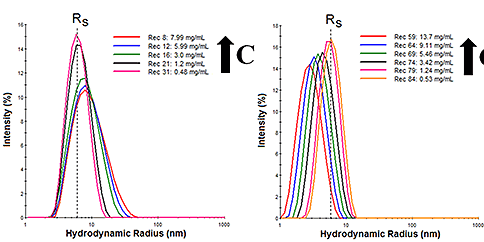
Developing a bioformulation stability profile
Whitepaper
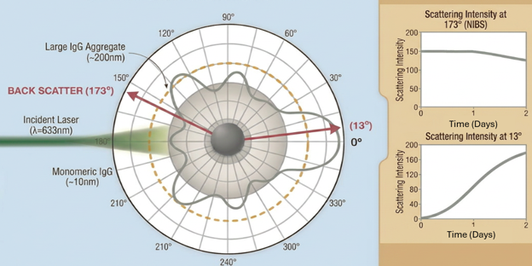
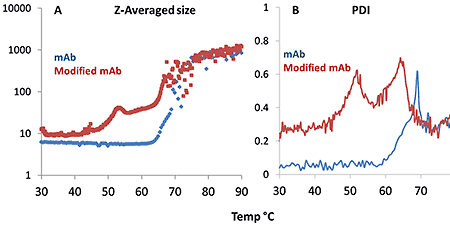
Understanding the thermal stability of a monoclonal antibody and its modified version using dynamic light scattering
Application note
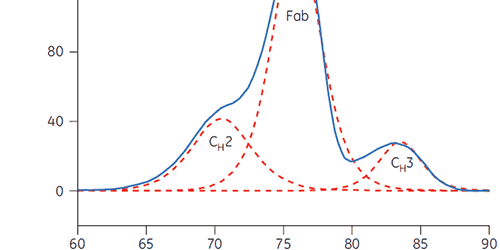
Selecting the most stable biotherapeutic antibody using Differential Scanning Calorimetry
Application note
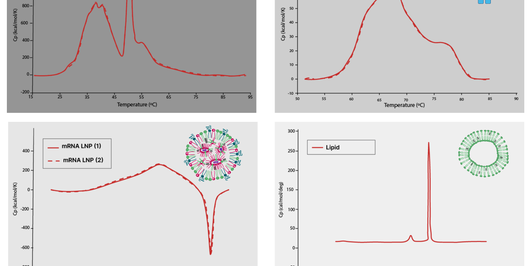
A Buyer's Guide to Stability Measurement Platforms for Biopharmaceuticals
Whitepaper
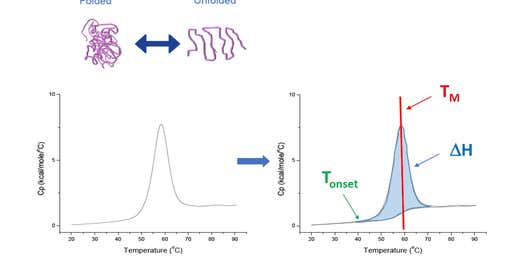
Characterization of biopharmaceutical stability with Differential Scanning Calorimetry: Candidate selection for developability
Whitepaper
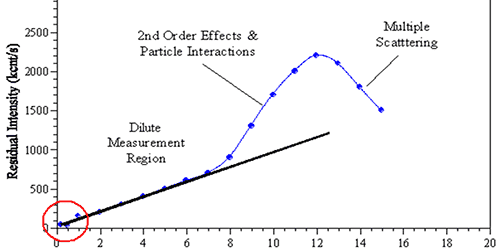
Understanding the colloidal stability of protein therapeutics using dynamic light scattering, from development to routine manufacturing
Whitepaper
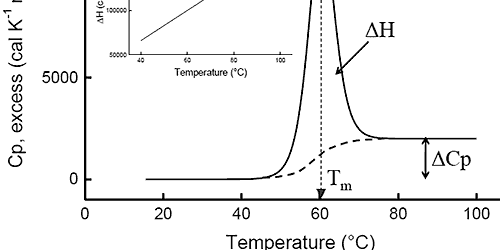
Targeting protein/protein interactions in drug design
Whitepaper